

Where Grandeur meets Ruins - Oscar Niemeyer’s visionary project left on hold forever
How did the ambitious International Fair in Tripoli, commissioned in the 1960s from one of the most celebrated architects of the time, unravel just before completion?
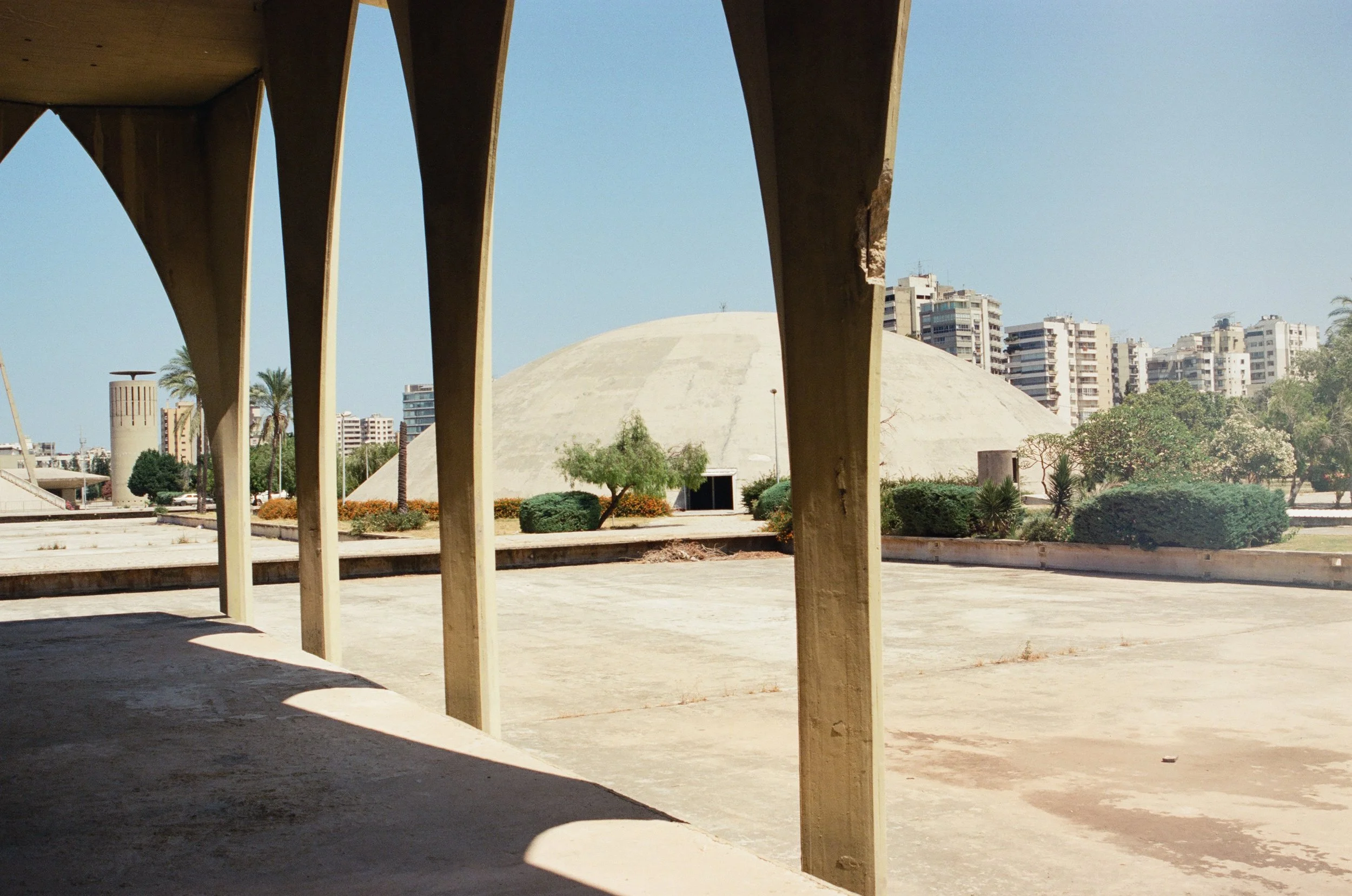
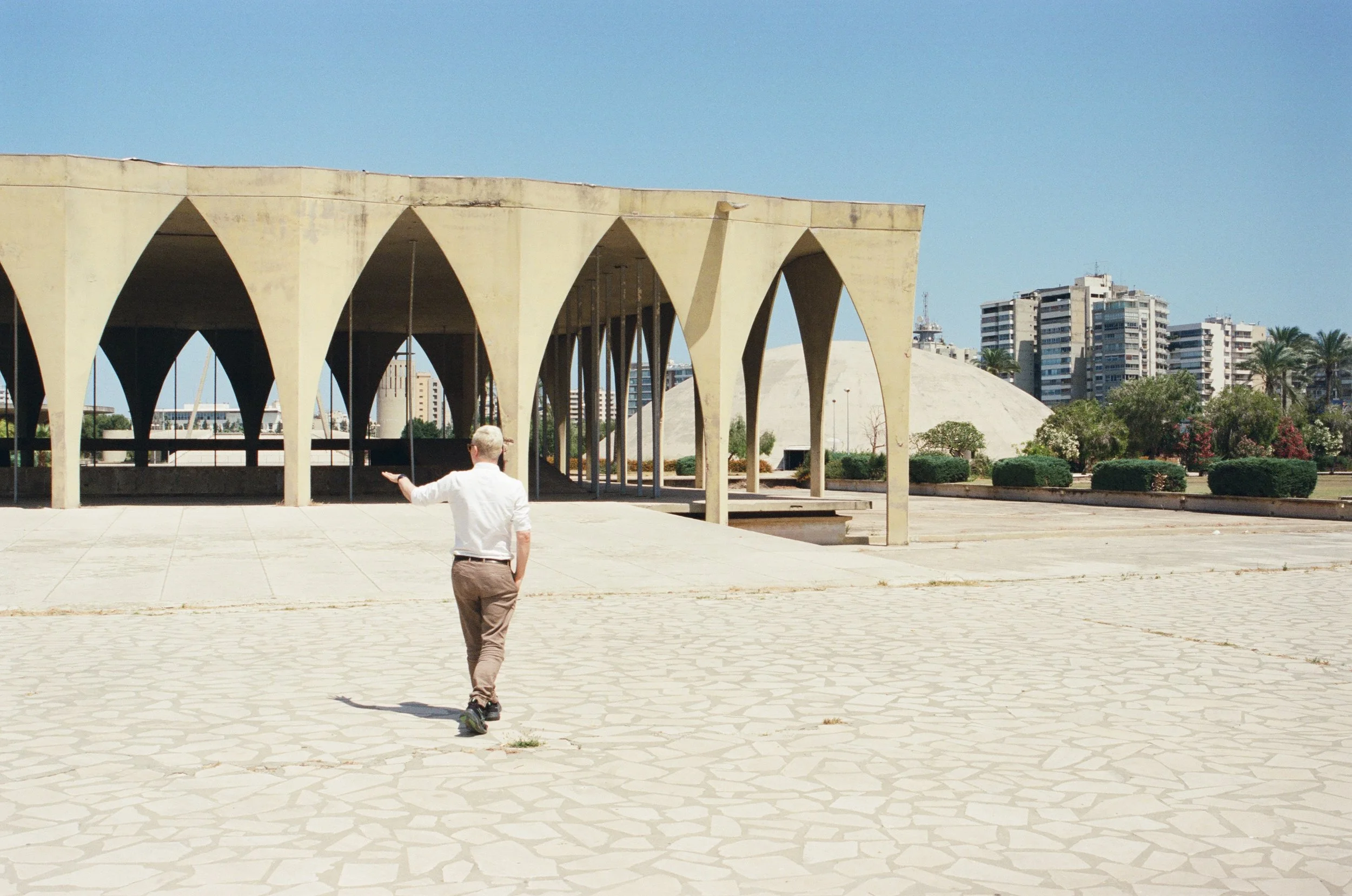
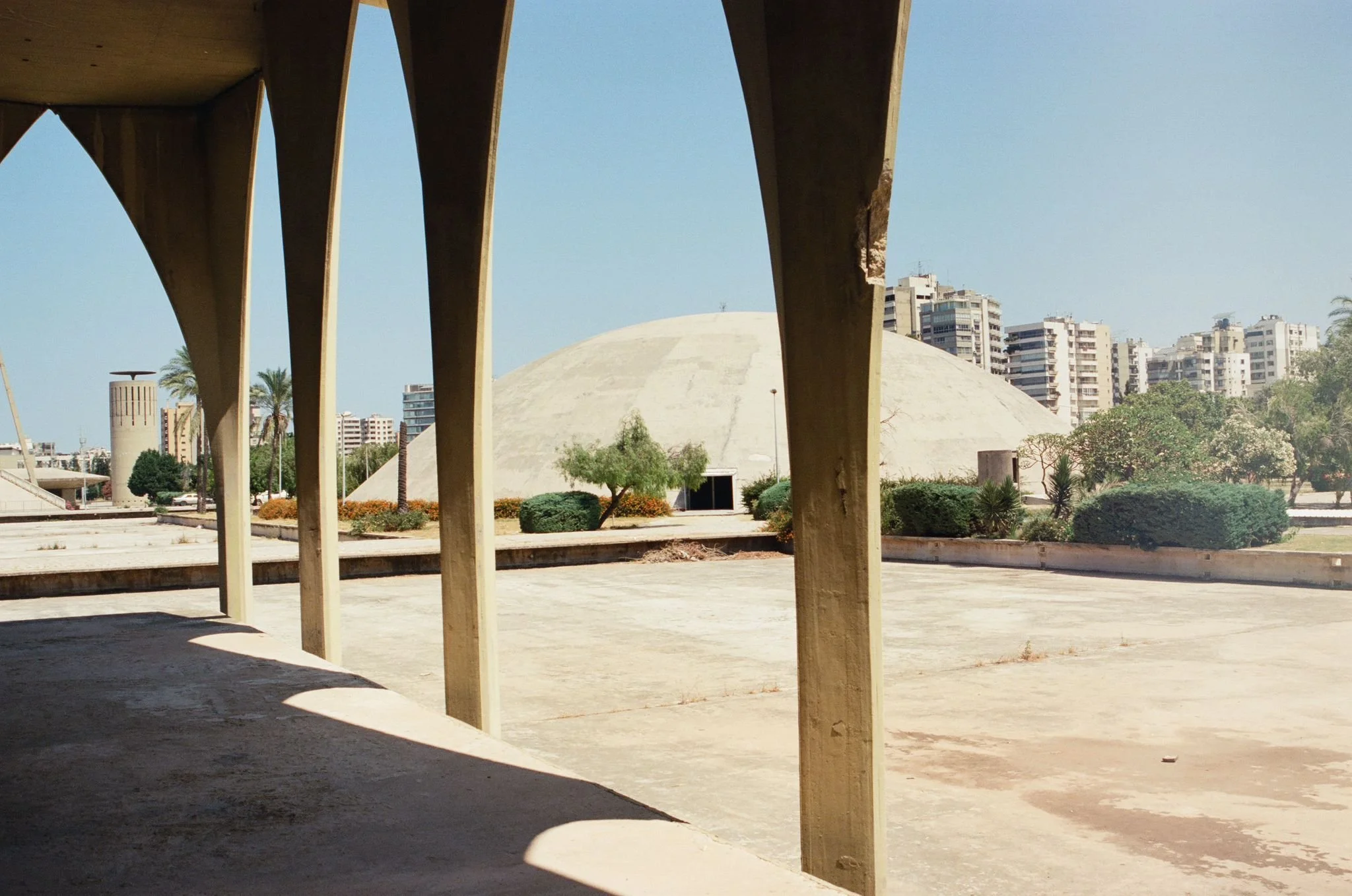
Under the shade of the Lebanese Pavilion arcs.
An ambitious urban project for a newly independent state
To put things back in context, in the 1950s, with the liberation of the Lebanese economy, Beirut was attracting most of the country’s capital.
The idea behind the construction of a Permanent International Fair was initiated by President Fouad Chehab in the 1960s, with the intention to resolve the social and territorial inequalities of peripheral areas such as Tripoli and reinforce the sense of unity of the newly independent state.
Thus, in a spirit of decentralisation, Brazilian architect Oscar Niemeyer was chosen to design a bold architectural complex aimed to hoist Tripoli to the rank of a modern metropolis.
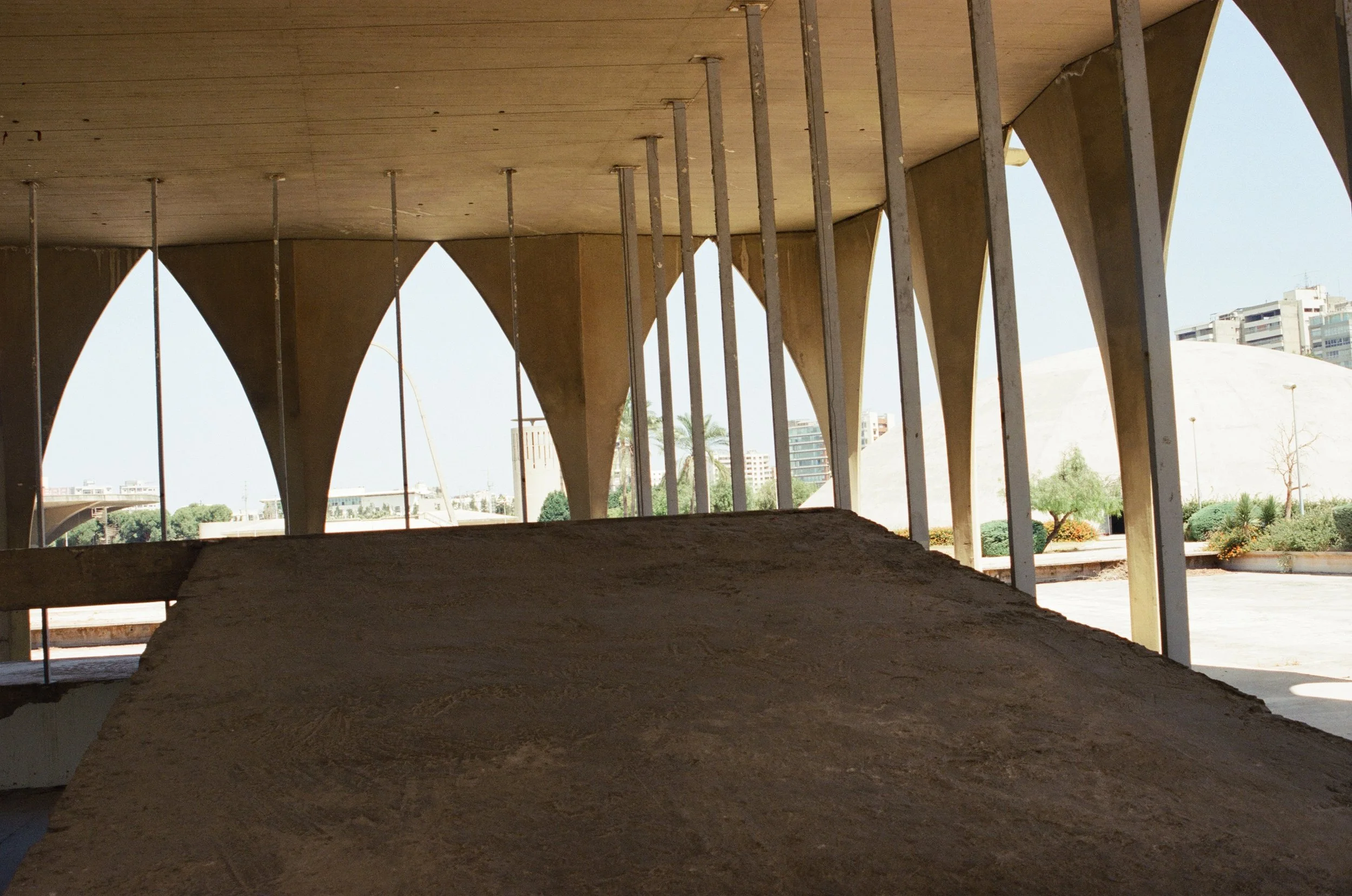
View from inside the Lebanese Pavilion.
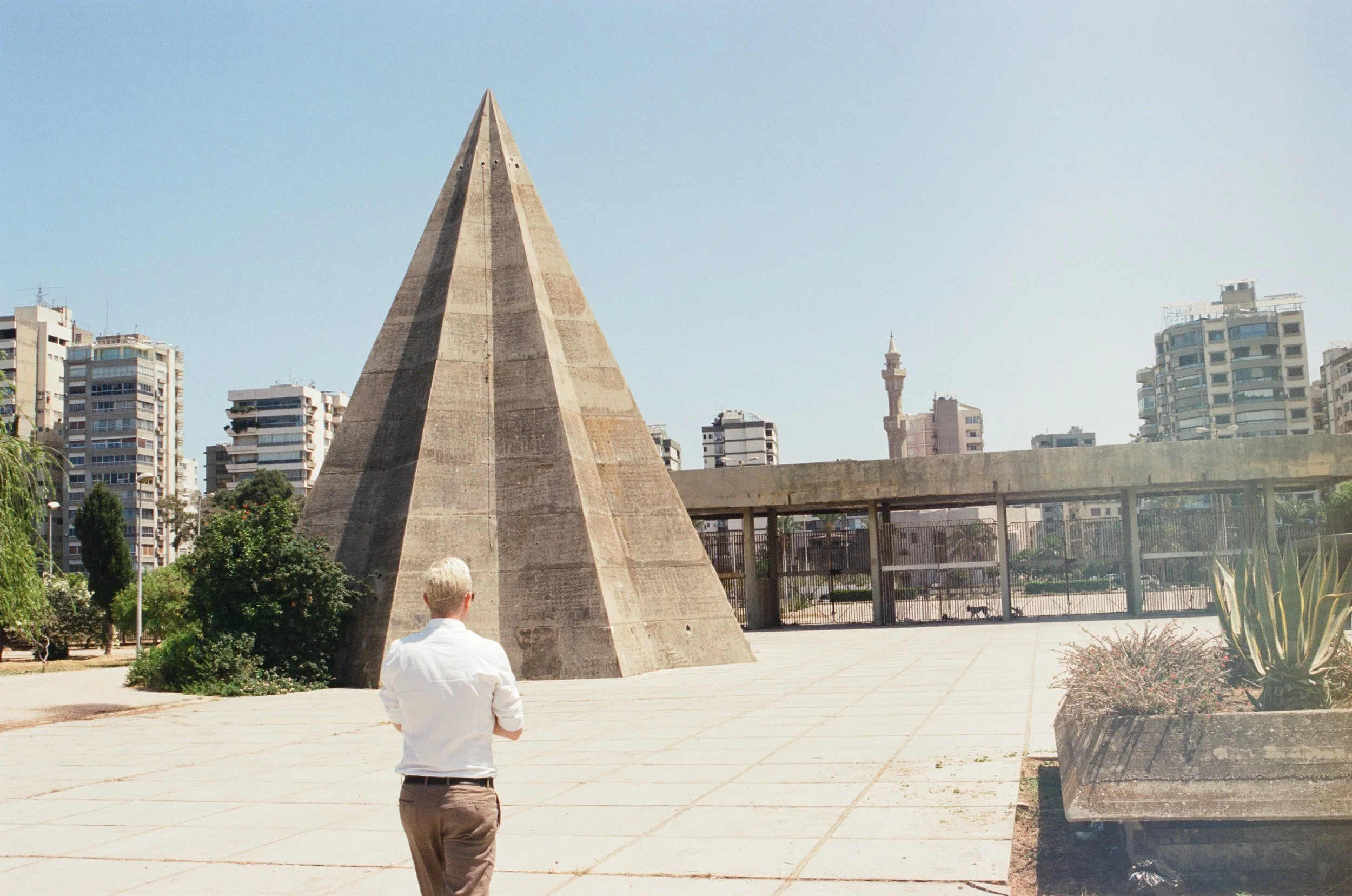
Designer Pierre Gonalons during his residency in Beirut.

Connecting Tripoli: Oscar Niemeyer’s initial proposal
After visiting the site, his first intention was for the Fair site to become the city’s third hub by connecting the city’s historical centre to the Al Mina port area.
Niemeyer envisioned a continuous open space from the seafront up - that was supposed to be occupied by residential, commercial and tourist facilites, with the International Fair in the background.
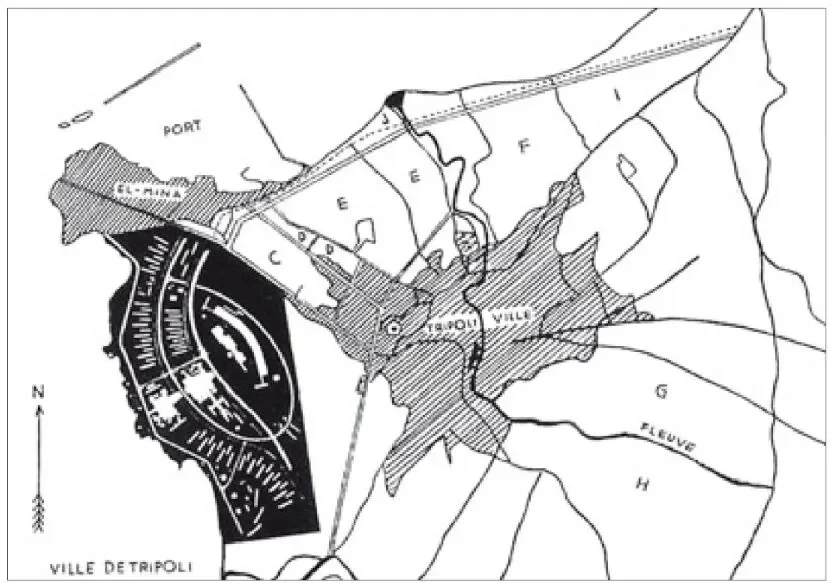
Oscar Niemeyer’s initial proposal - a hub connecting the historical city centre to the seafront and port area.
The project’s first hurdle
The projet soon hit a first wall when the government rejected the idea of connecting the site to the seafront, which was in total contradiction with the initial idea to open up the city.
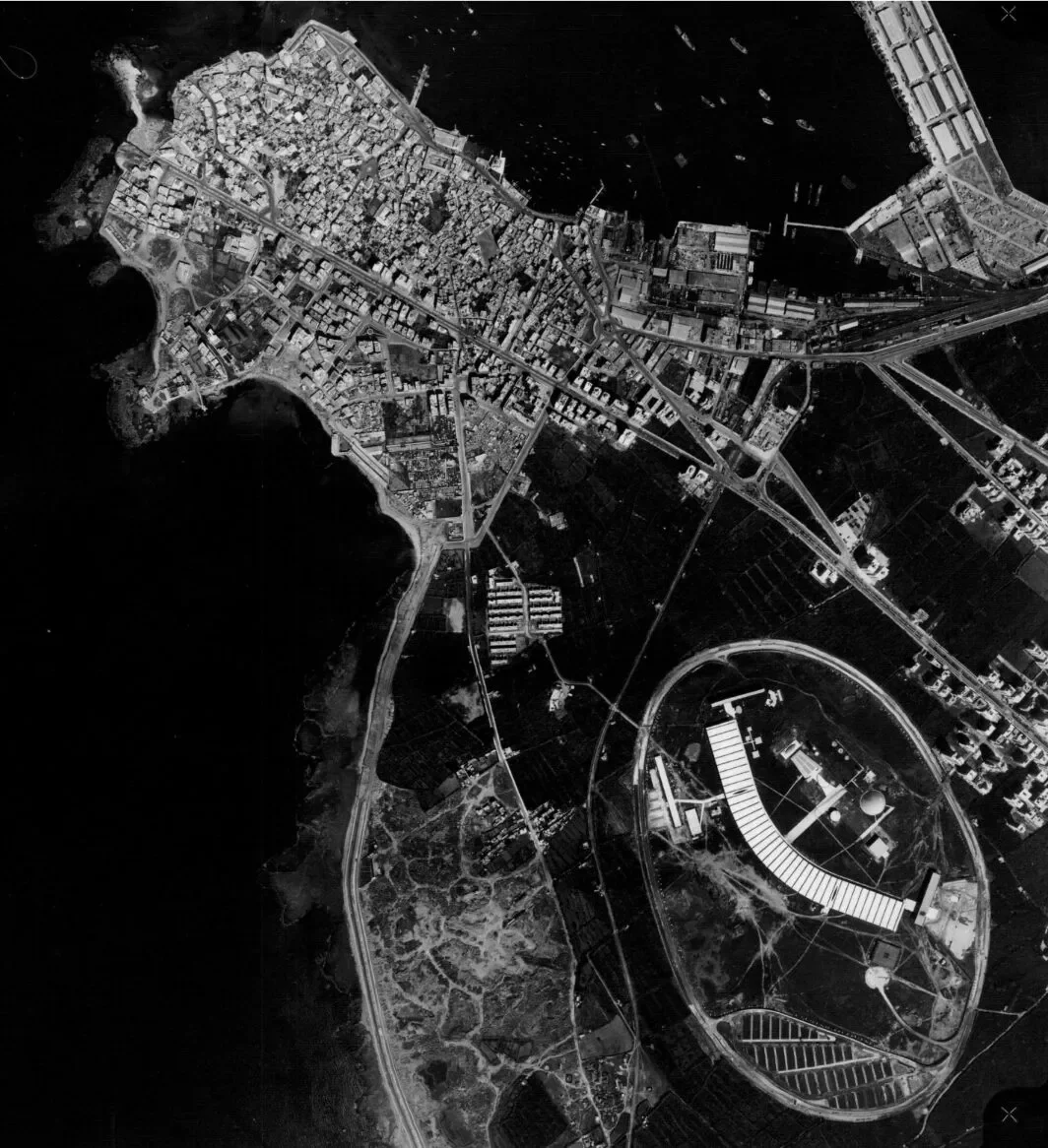
A view of the elliptical site of the International Fair, cut off from the seafront and the historical city centre.
It now consisted in a disconnected 70 hectare elliptic site including a boomerang shaped Exhibition Pavilion, an experimental Dome Theatre, an experimental Theatre and Space Museum, a Lebanese Pavilion and an outside amphitheater.
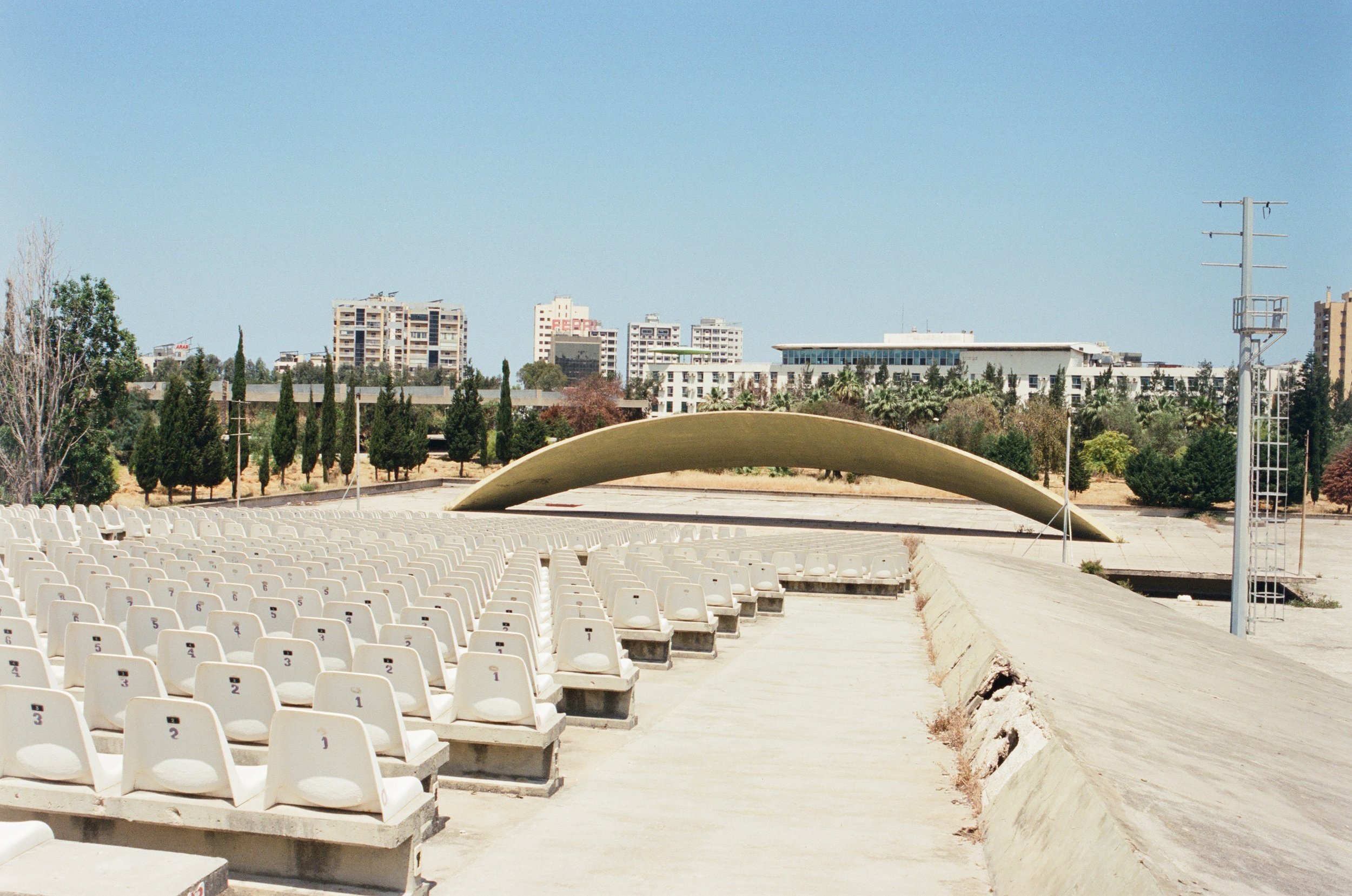
What remains of the Experimental outdoor Amphitheater.
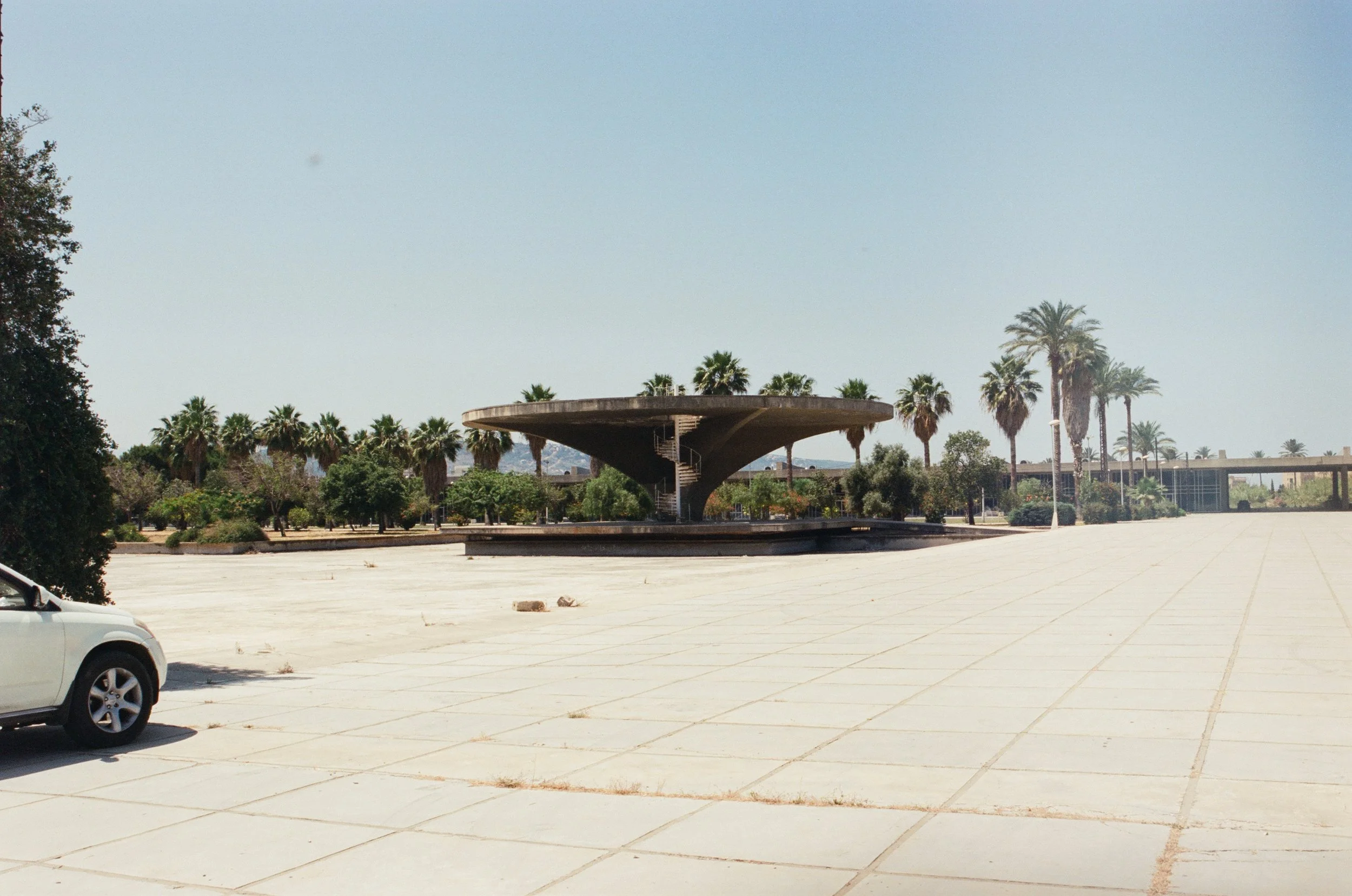
The experimental Theatre and Space Museum
War and occupation of the site
Because of delays due to lack of funds and political turmoil, the site’s inauguration was pushed back multiple times.
But the major blow to the project came when the Lebanese Civil War broke out in 1975, just as it was completing. Construction was brought to a stop and a year later the site was occupied by Syrian Forces.
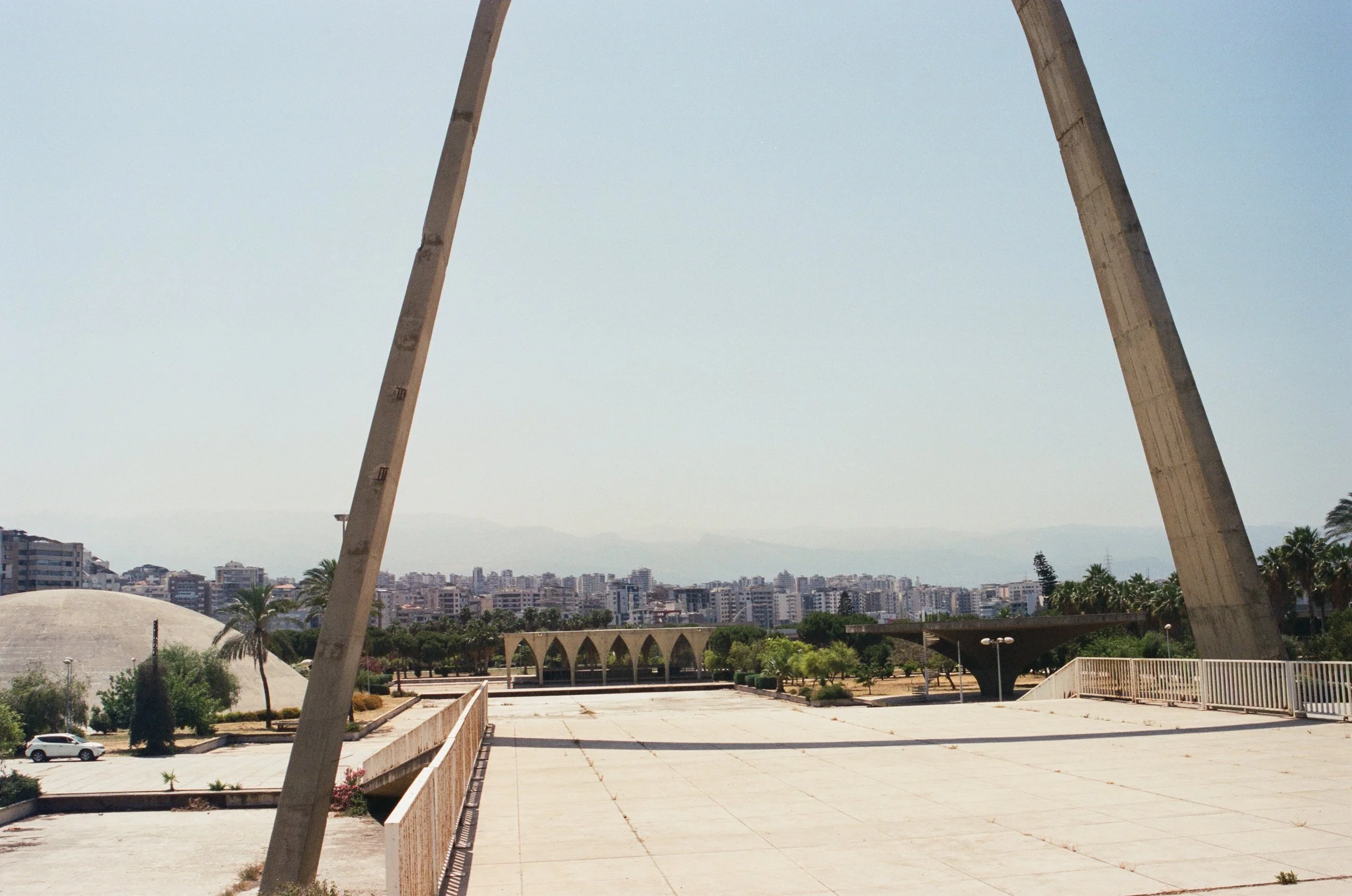
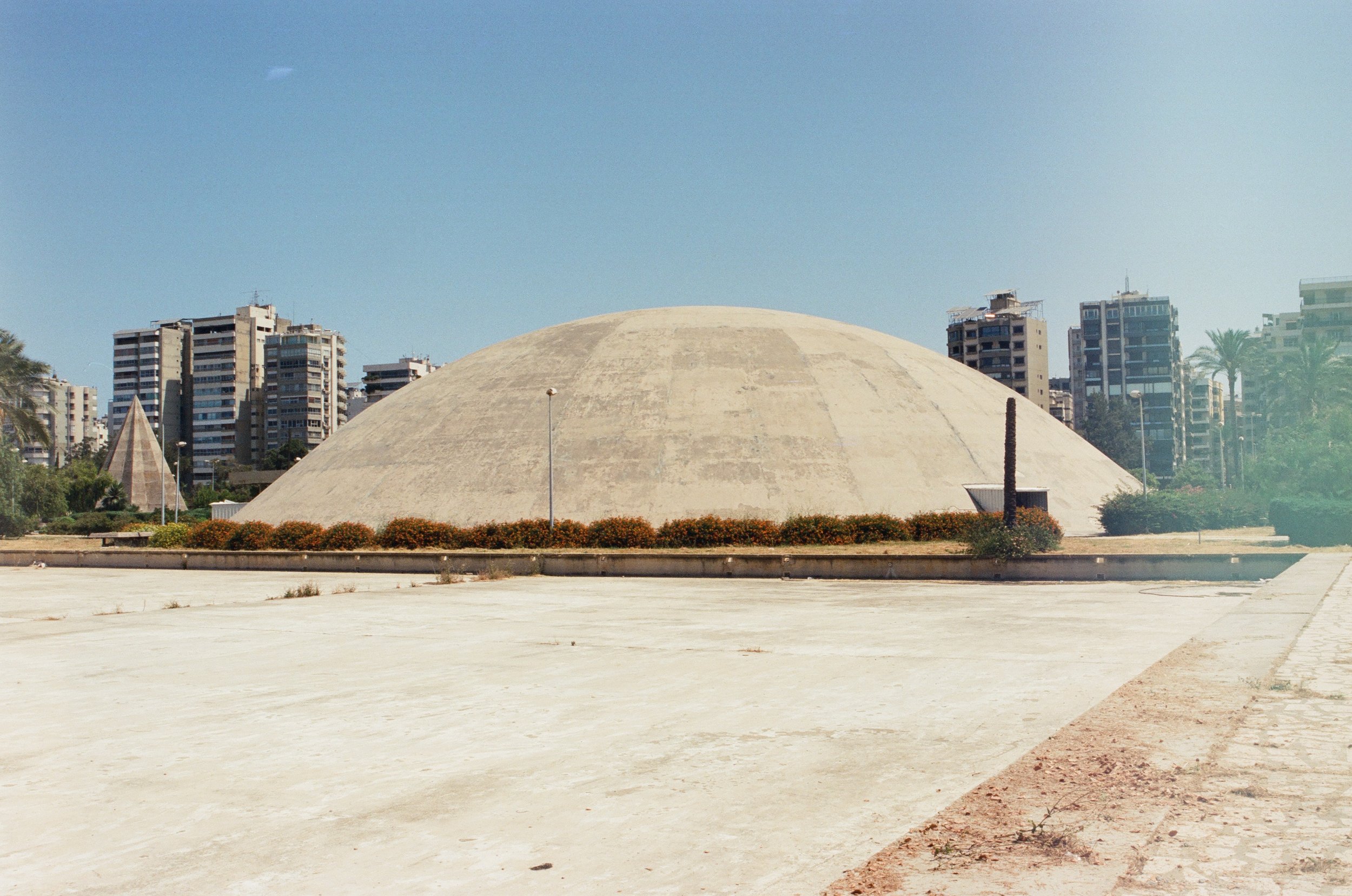
The Dome Theatre.
The Israeli occupation of 1982 further paused any possible activity within the site.
It is only in 1995, after the Civil War, that the Fair, named the Rachid Karami (after the late Prime Minister brutal assassination) timidly held small gatherings and exhibitions until the complete withdrawal of military forces from the city in 1998.
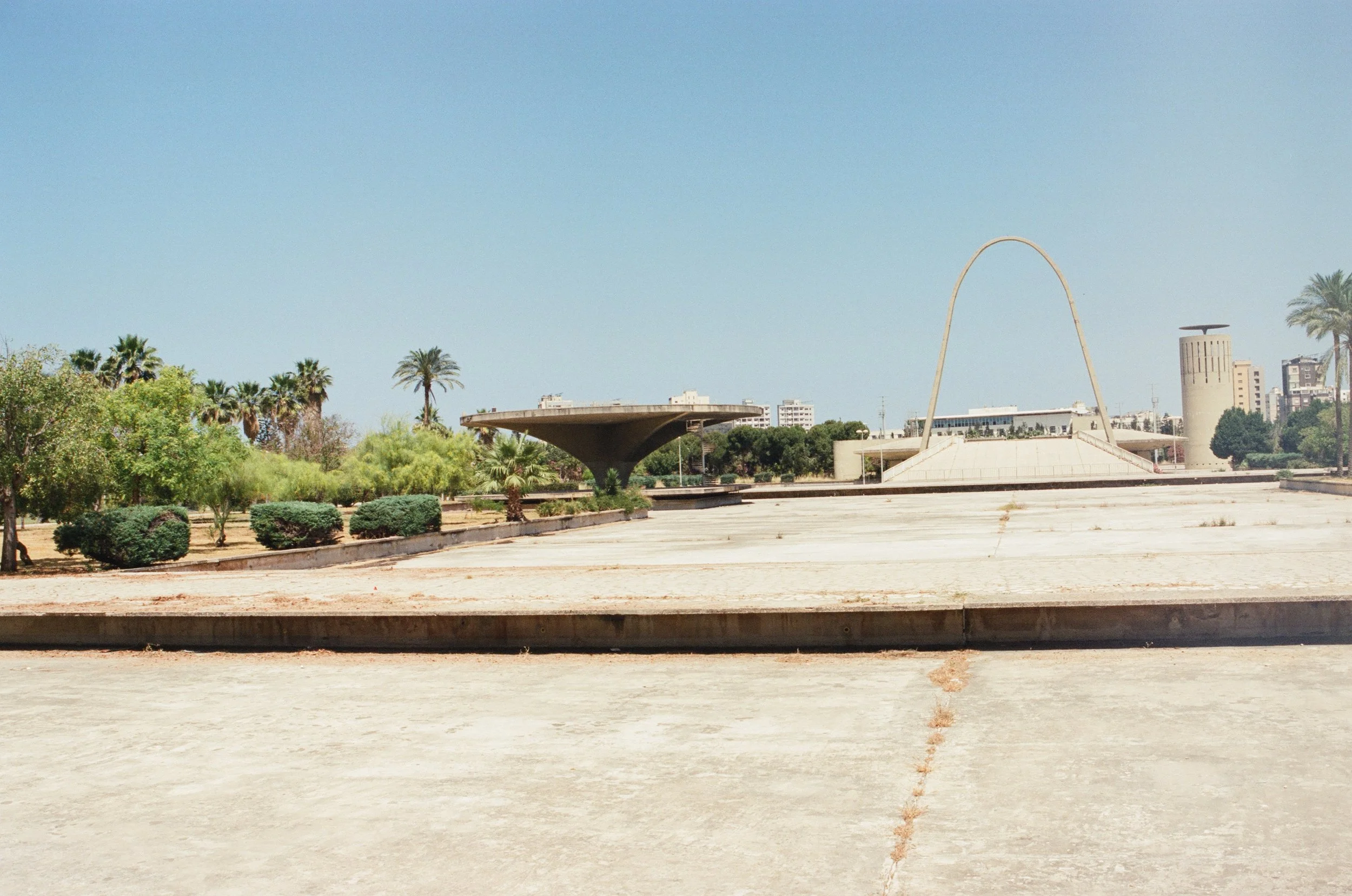
A masterpiece left to decay
So close to completion, it was then left to decay…
Inscribed on the List of World of Heritage in Danger in 2023, today the site exudes modernity and mystery, grandeur and decline.
It is a space full of latent possibilities left for the occasional wanderer to admire.
more ENTITRE :





copper & chrome plated brass, 2025.
Designed for the Boghossian Foundation by Pierre Gonalons during his residency in Beirut.
This piece can also be found at the Boghossian Foundation Store.