

The Saloua Raouda Choucair Foundation — Safeguarding a Legacy
A Foundation in honour of one of the earliest abstractionist in the Arab World
Opened on July 24, 2024, on what would have marked the artist’s 108th birthday, the Saloua Raouda Choucair Foundation emerges as a quiet national treasure.
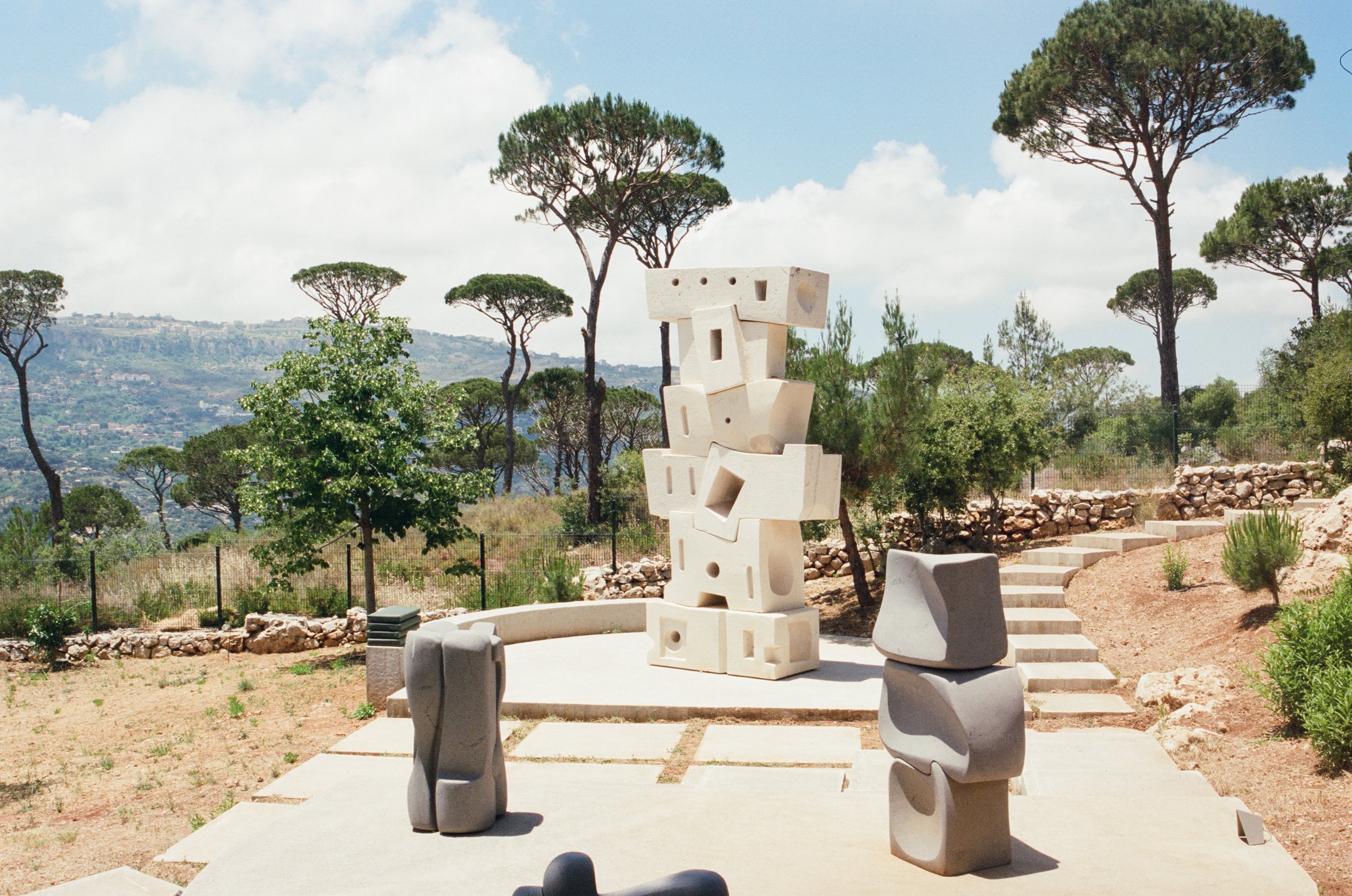
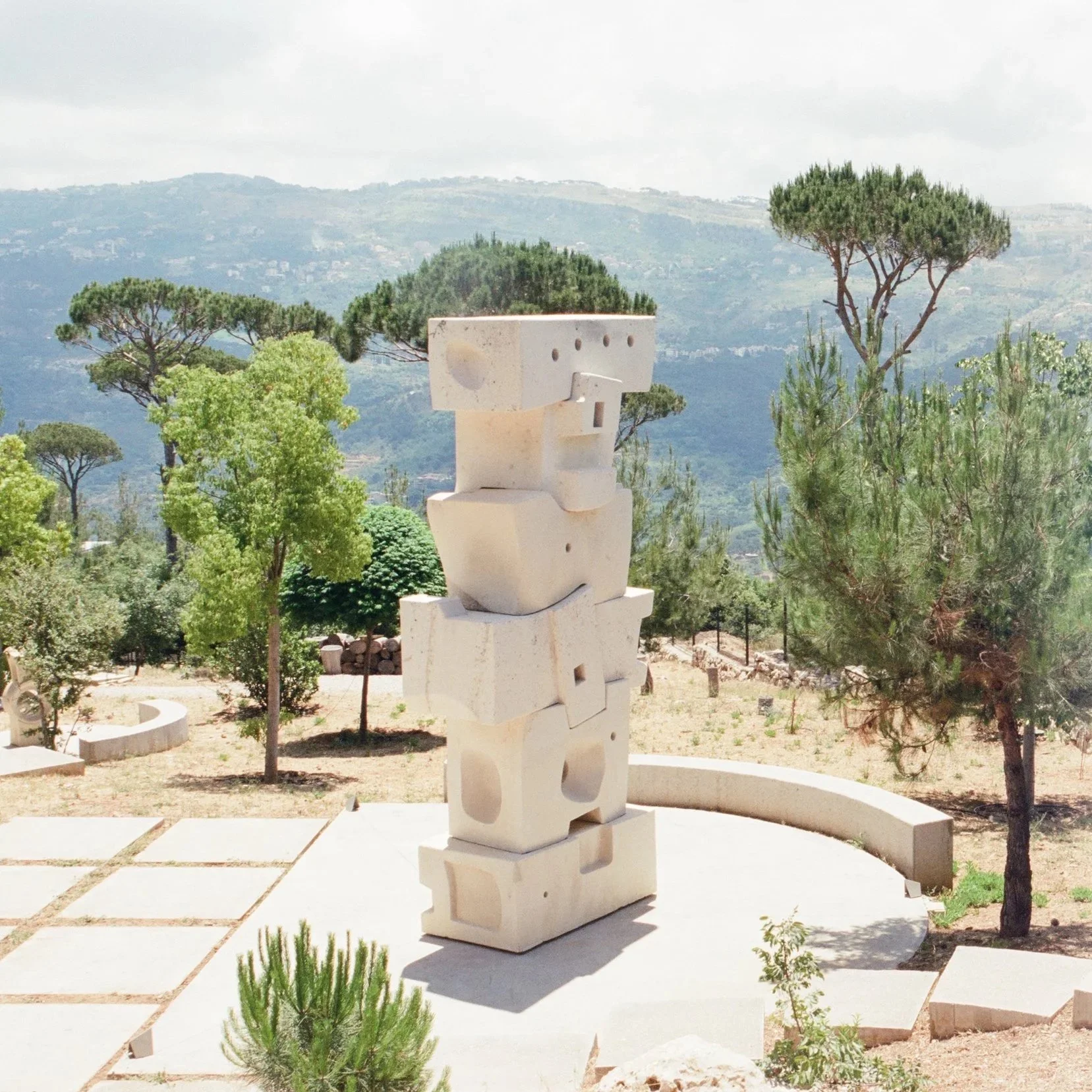
Nestled within a pine forest in Ras El Metn, an hour from Beirut, the Foundation stands as both sanctuary and archive, safeguarding the vast and visionary oeuvre of Saloua Raouda Choucair— the pioneer of Arab abstract art.
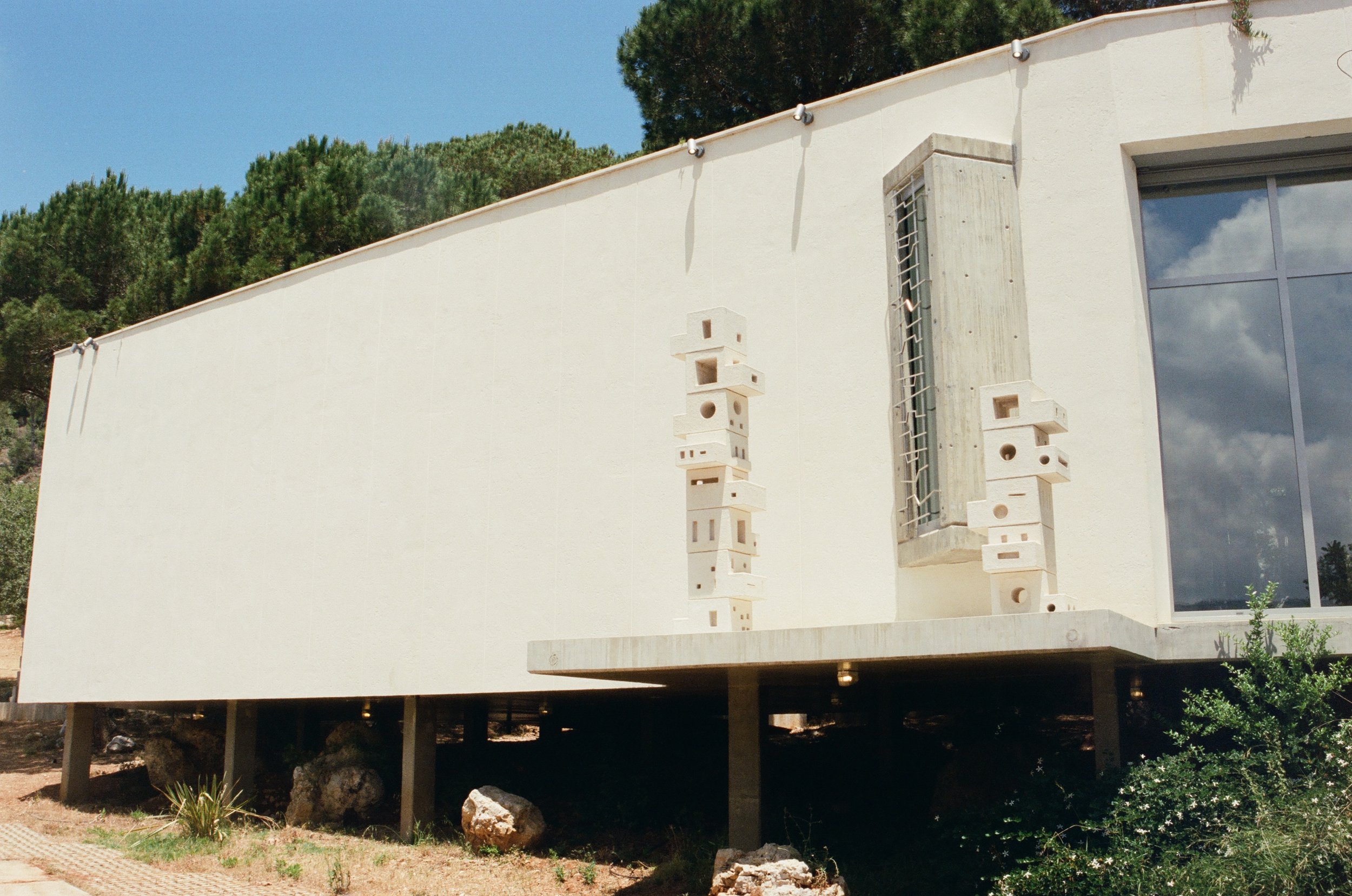
Walking into the Foundation, you’re immediately struck by how prolific, versatile, and cohesive Saloua Raouda Choucair’s work is. There’s a clear vision running through it - an ongoing search for harmony that feels both intellectual and deeply personal.
Science, Mathematics and Philosophy two guiding forces for the young Saloua Choucair
Choucair’s early love of natural science, which she studied at the American Junior College of Beirut (now the Lebanese American University), resonates throughout her artistic practice.
There’s logic in her craft, each sculpture is a tangible scientific and philosophical exploration, and this deep curiosity for the world around her and interest in progress consistently spans her entire life’s work.
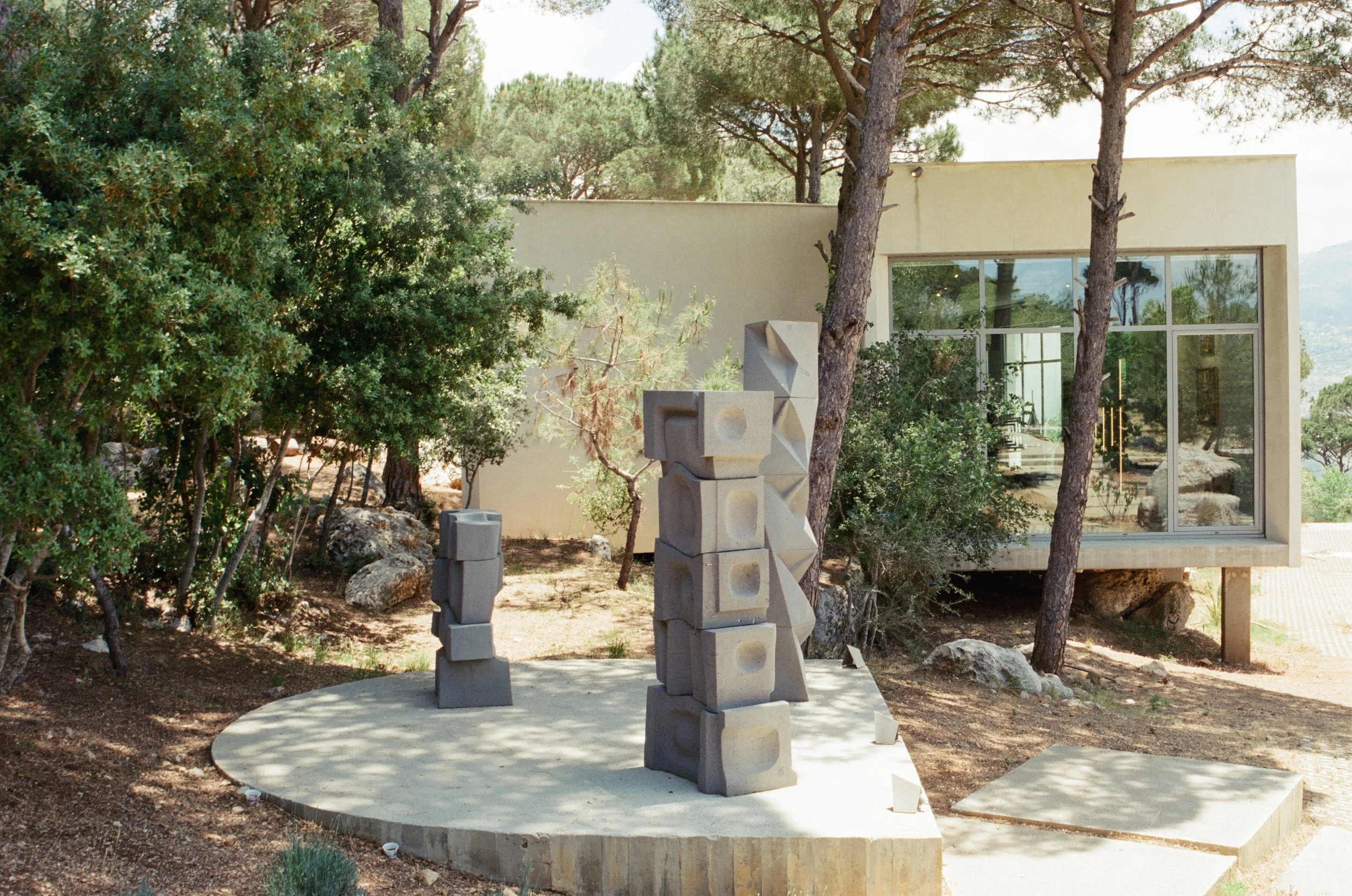
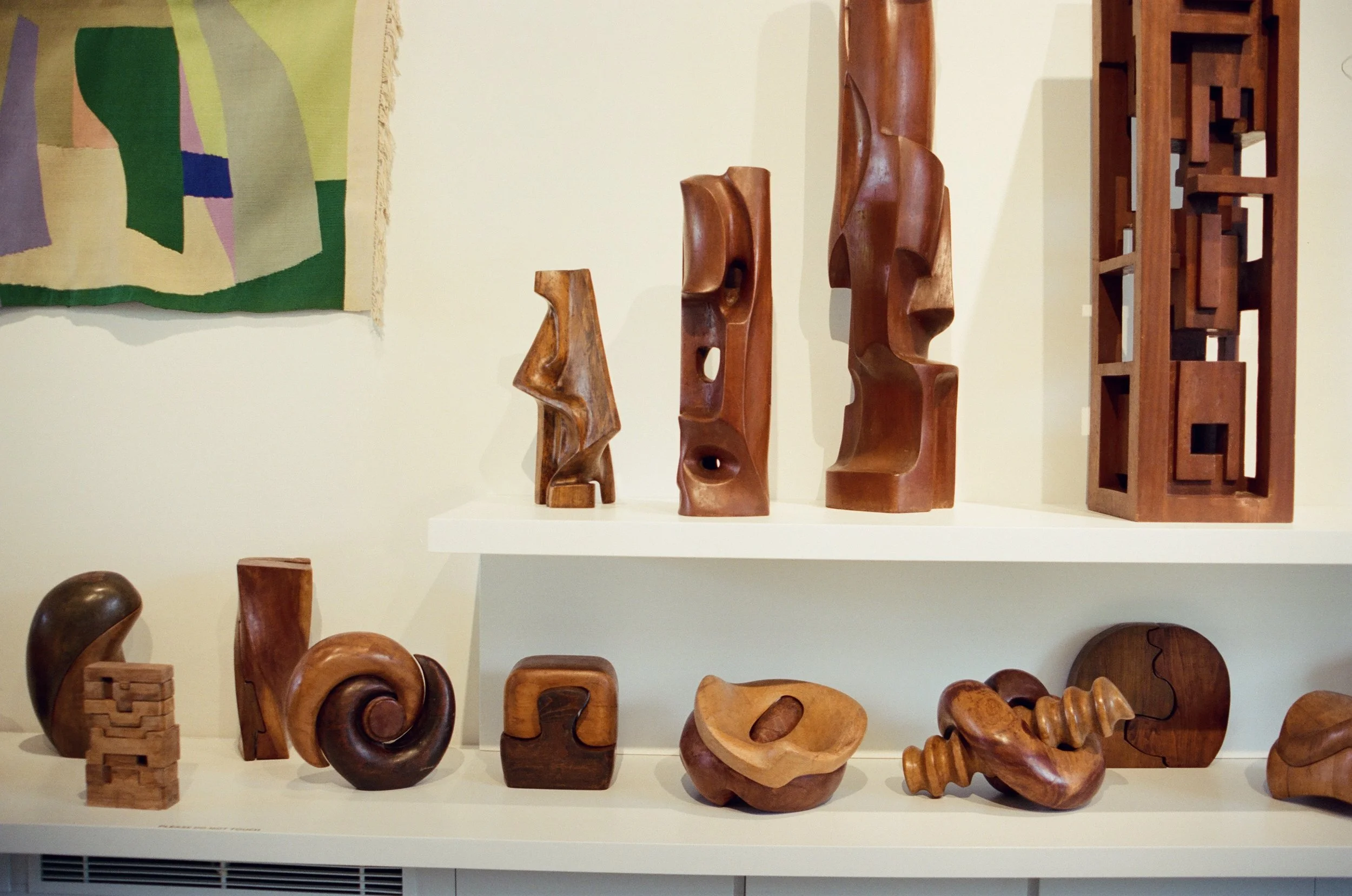
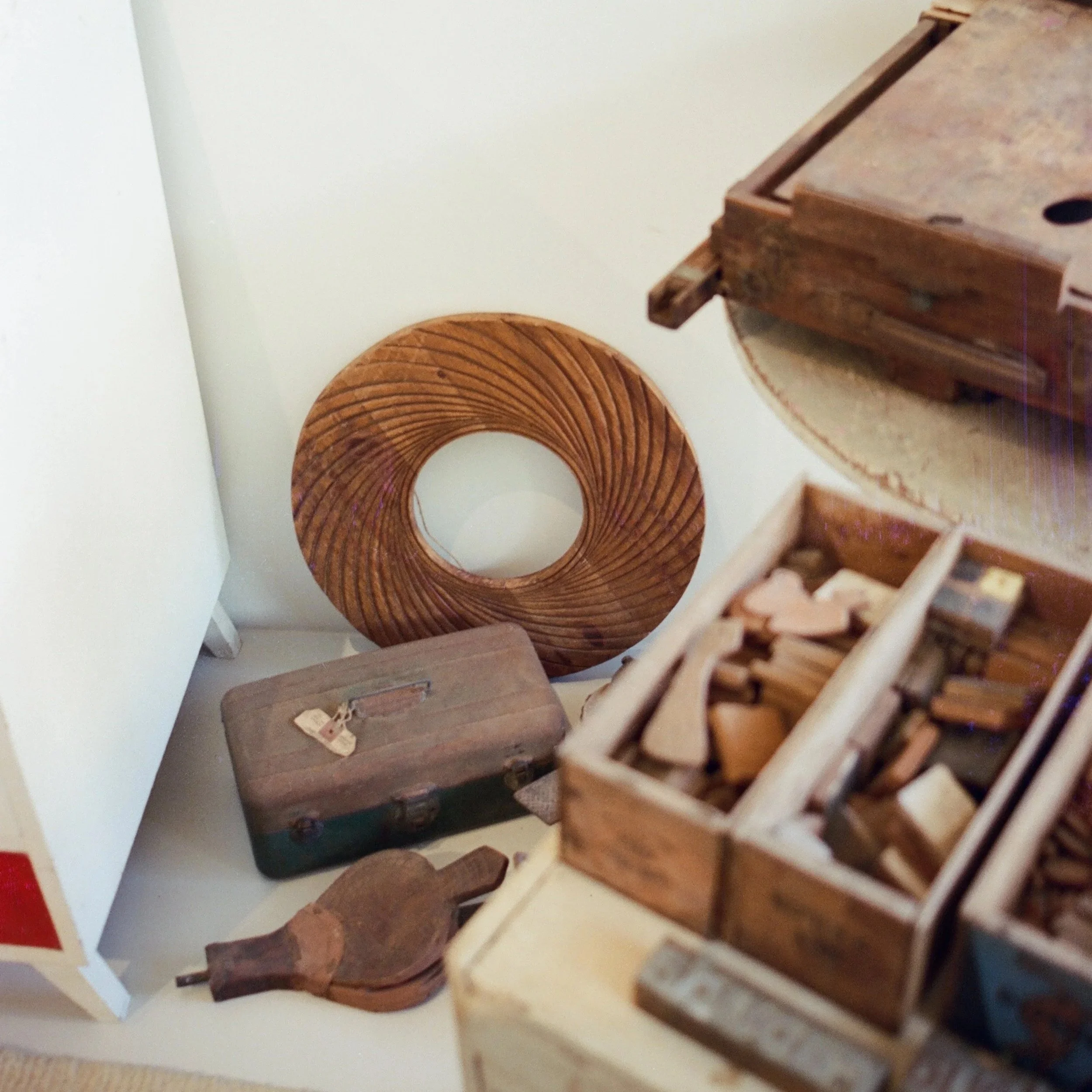
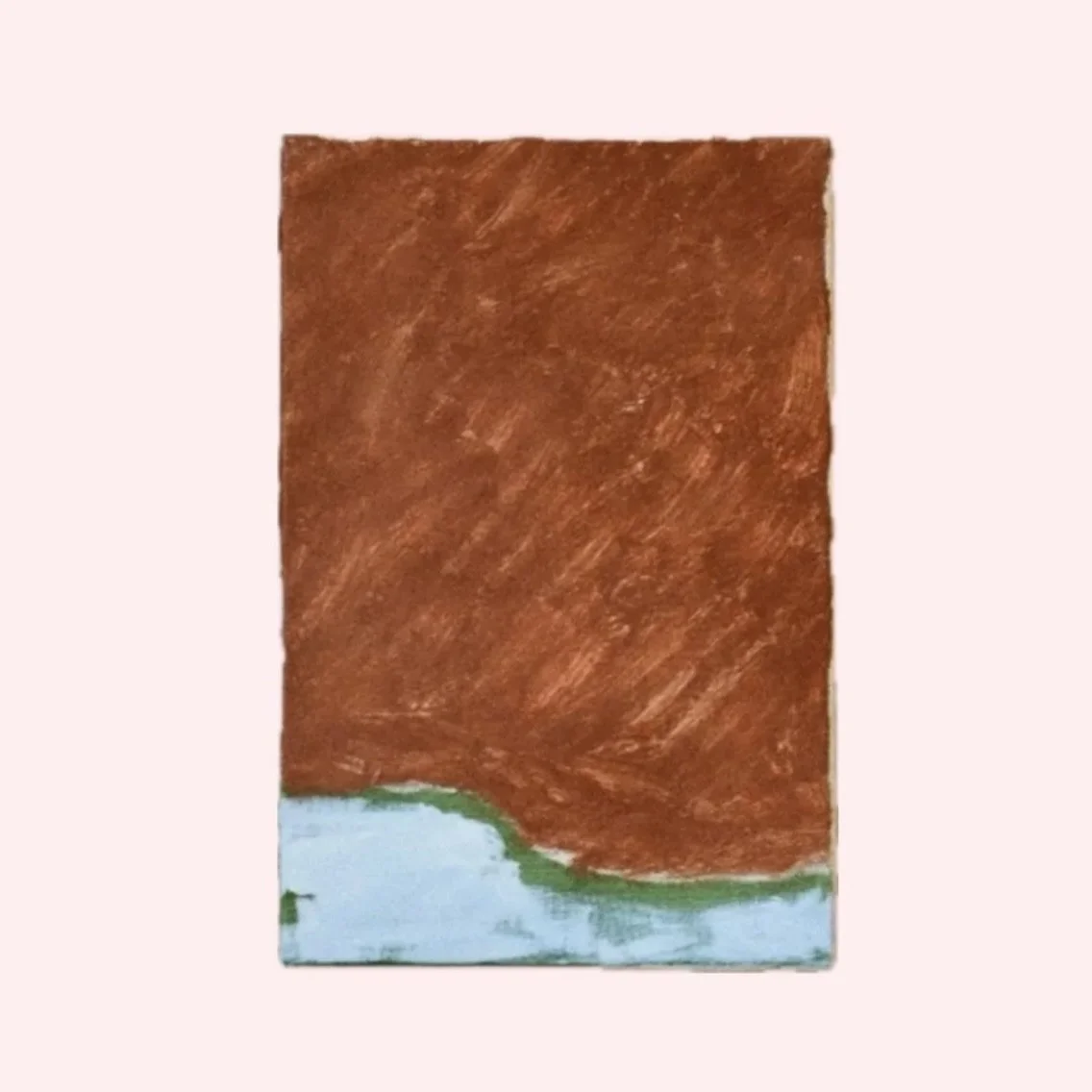
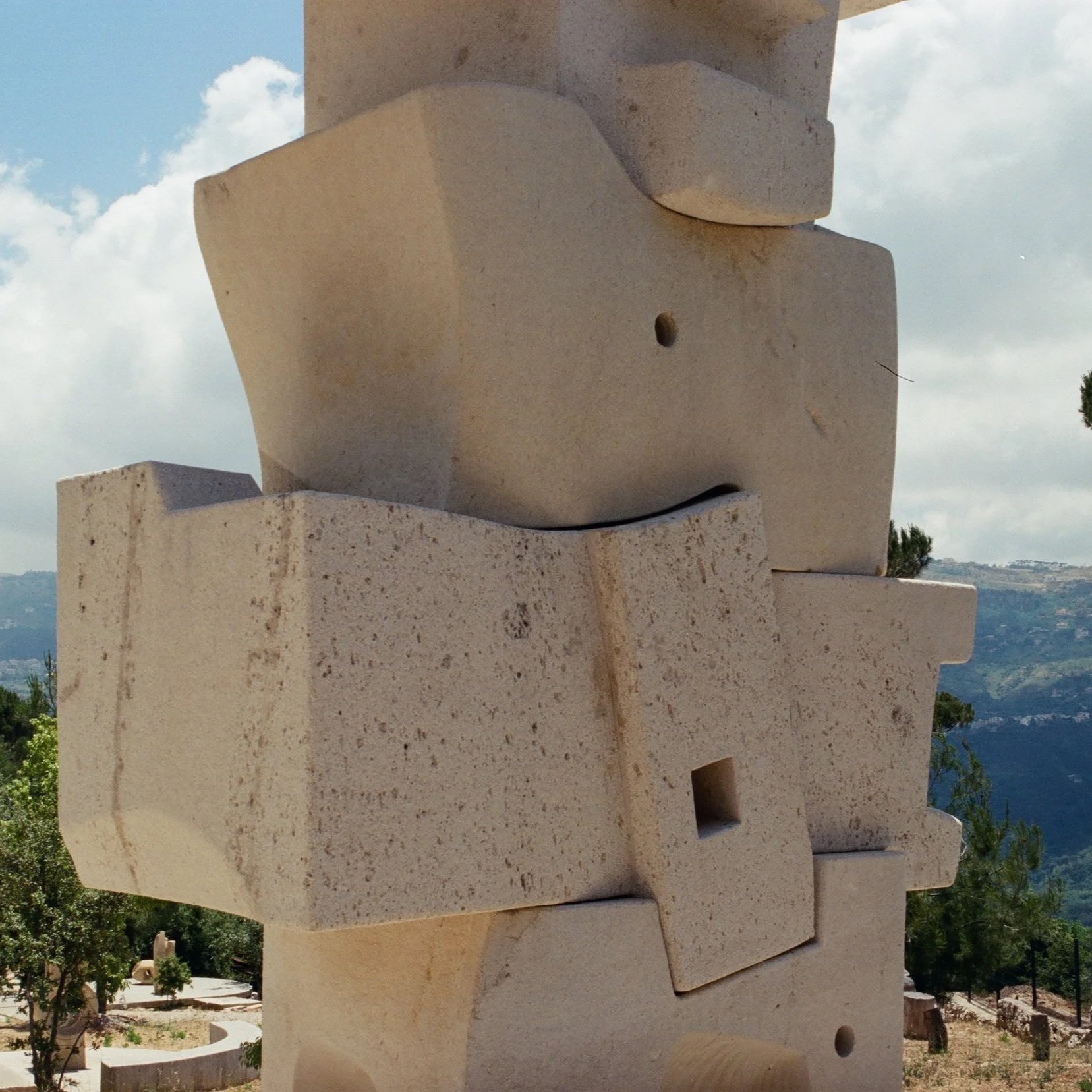
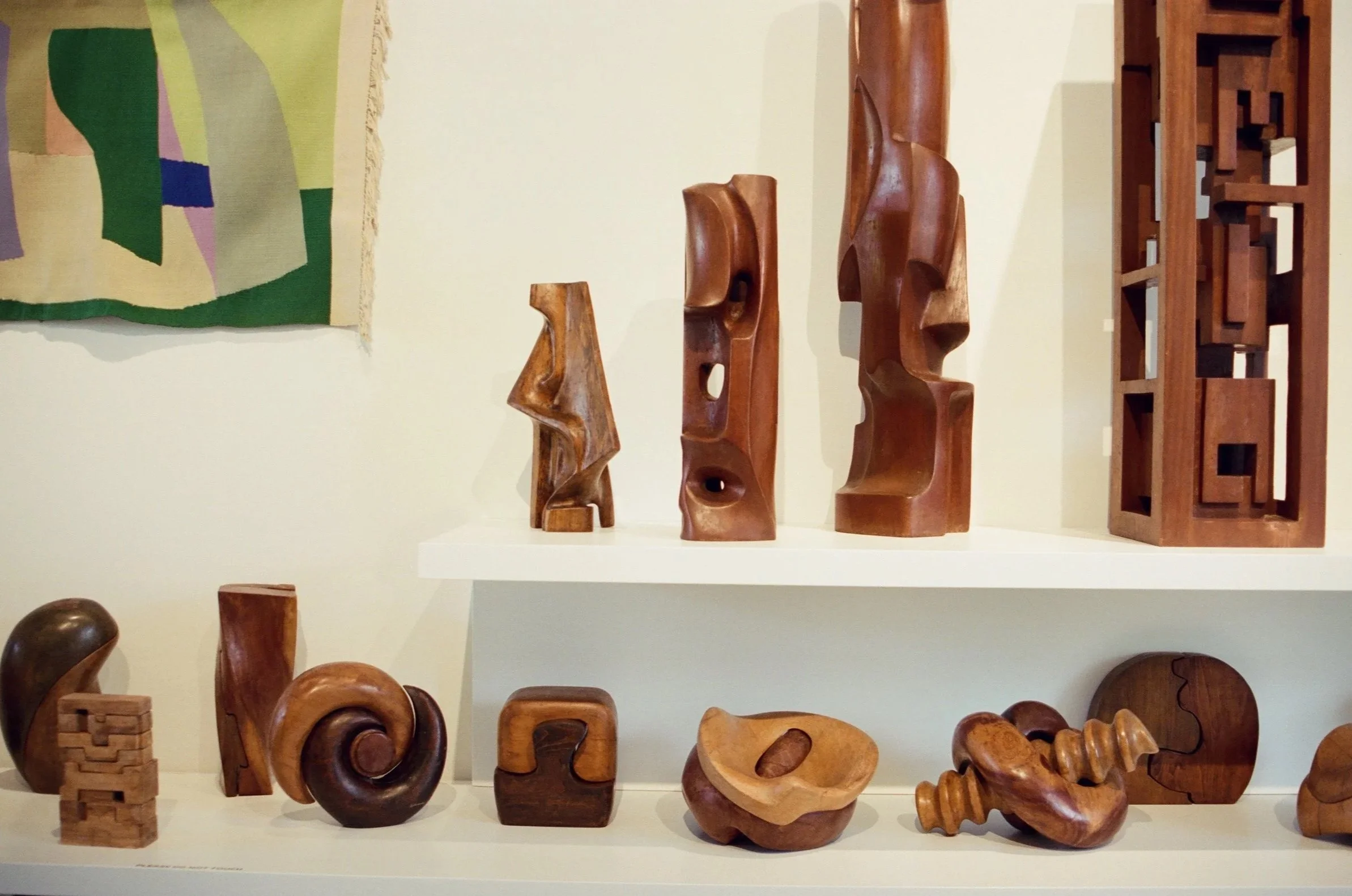
From jewellery designs, illustrations, architectural maquettes, tapestries, paintings, and her signature interlocking sculptures, Saloua Raouda Choucair’s practice is remarkably exploratory and inventive.
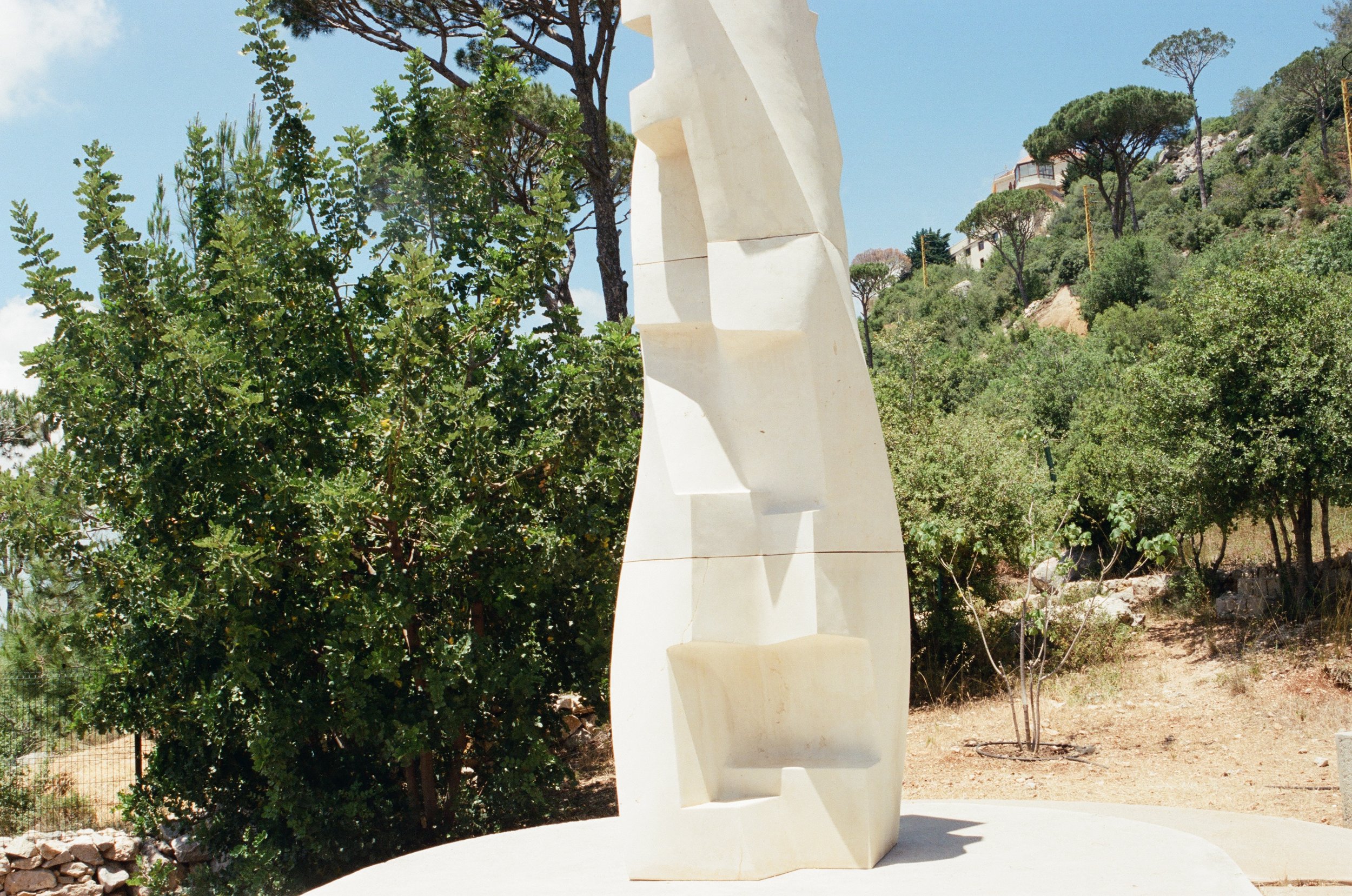
She worked across a wide range of materials—marble, polished wood, fired and unfired clay, fiberglass—constantly experimenting with form, structure, and composition.
Carving her place in the modernist landscape
It is during a trip to Cairo in 1943 that her interest in abstract art grew substantially.
In 1948 Choucair moved to France where she attended l’Ecole Nationale des Beaux Arts and worked alongside Fernand Léger’s studio - an experience that both shaped her yet also left her feeling unsatisfied, as she sought to develop her own approach to abstraction.
An private letter to a colleague turned Manifesto
In her 1951 manifesto “How the Arab Understood Visual Art” Choucair sets out to reframe Western Orientalism through an Eastern frame. She argues “The Arab never took much interest in visible reality, rather, he searched for beauty in the essence of the subject, extracting it from all the adulterations that had accumulated since the time of the Greeks.”

The Arab world’s natural affinity for Abstraction
Indeed although Choucair was areligious herself, she saw in Islam’s rejection of pictorial art evidence of a longstanding affinity for abstraction across much of the Arab world.
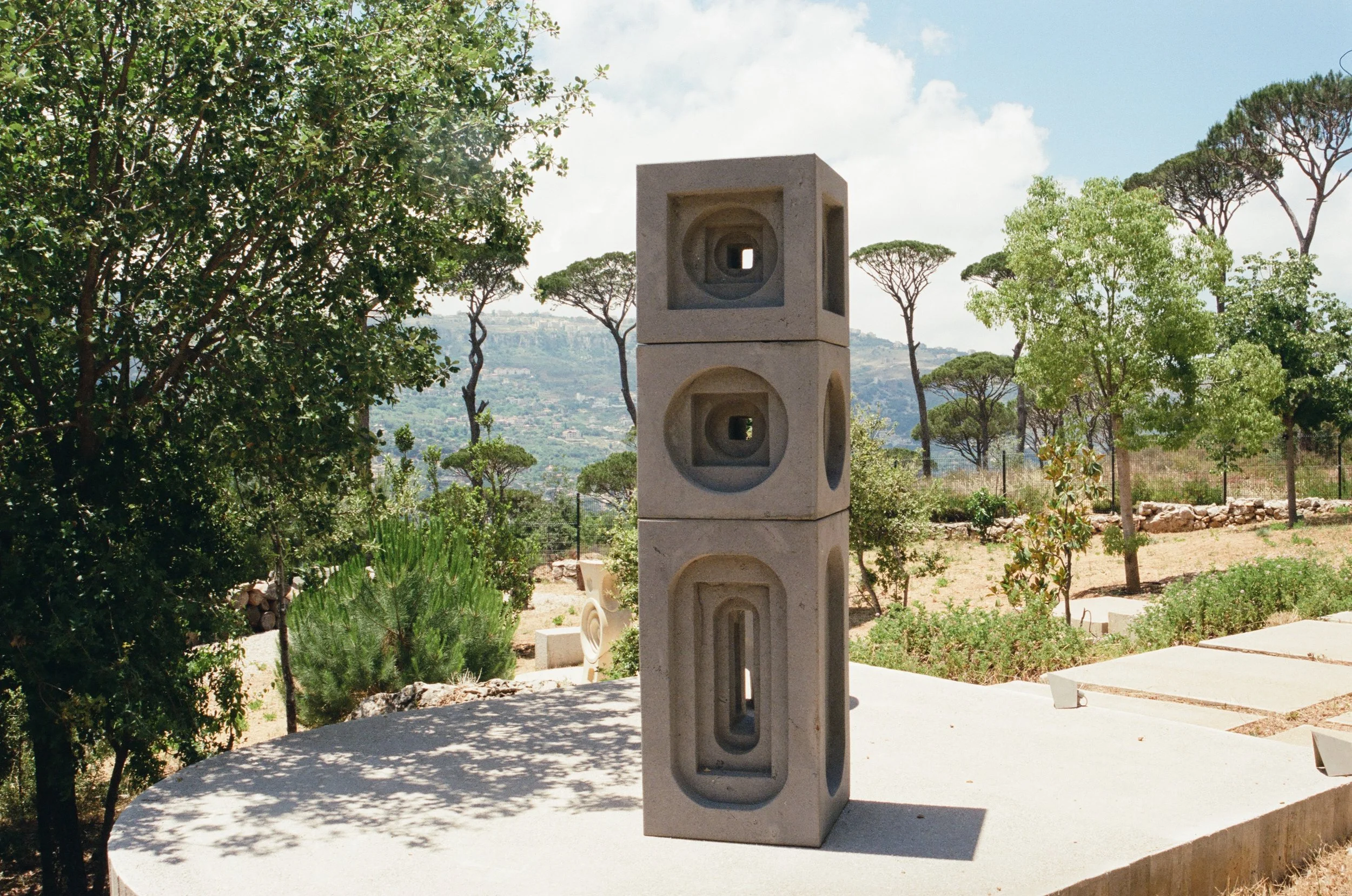
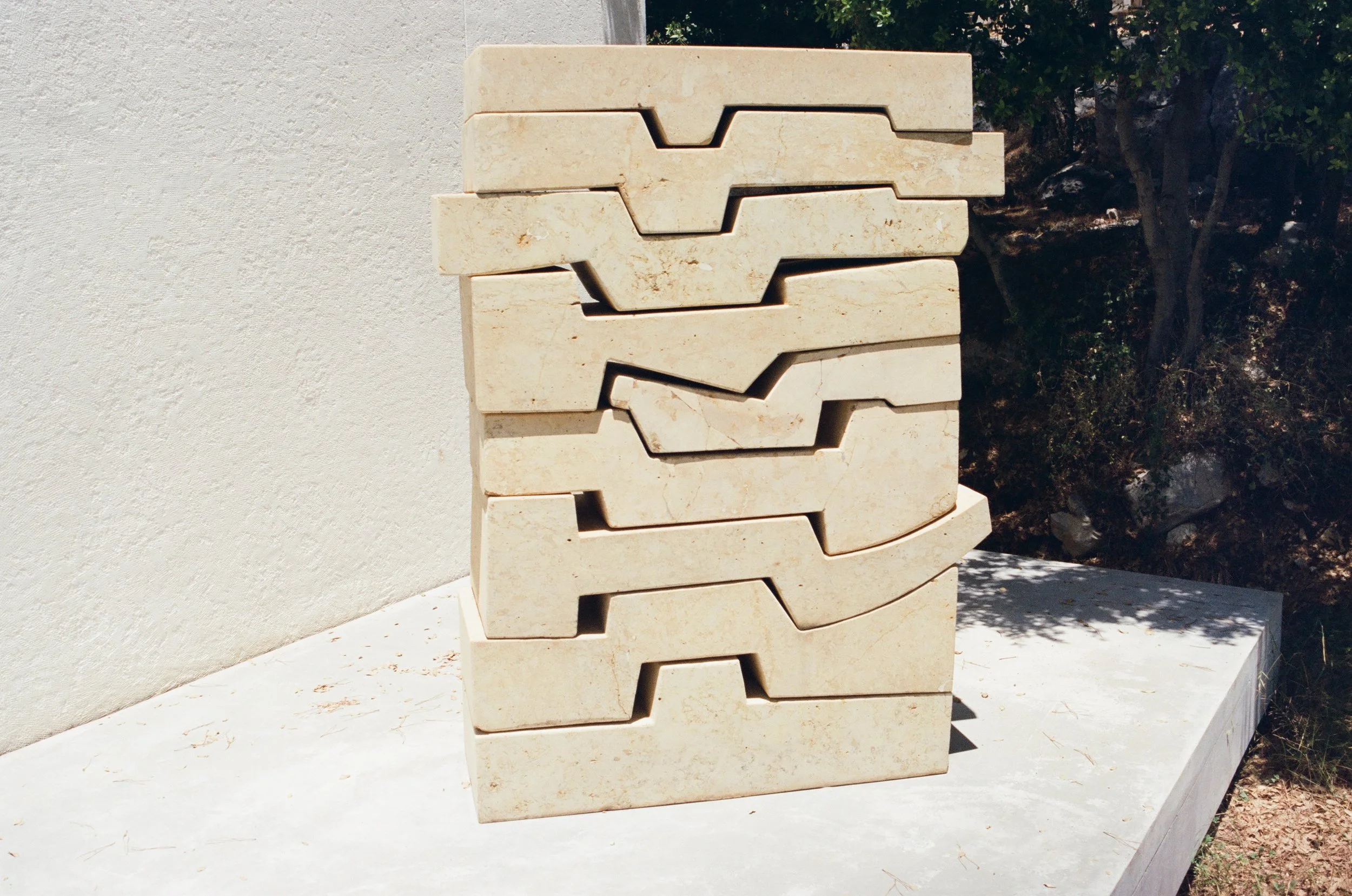
She was inspired by the thought and concept of Islamic thinkers, particularly Sufi philosophers and explored the structure of Arabic poetry known as qasida, by conceiving sculptures as poems, composed of verses that could interlock and be reordered in a continual quest for harmony.
A female artist ahead of her time and long misunderstood
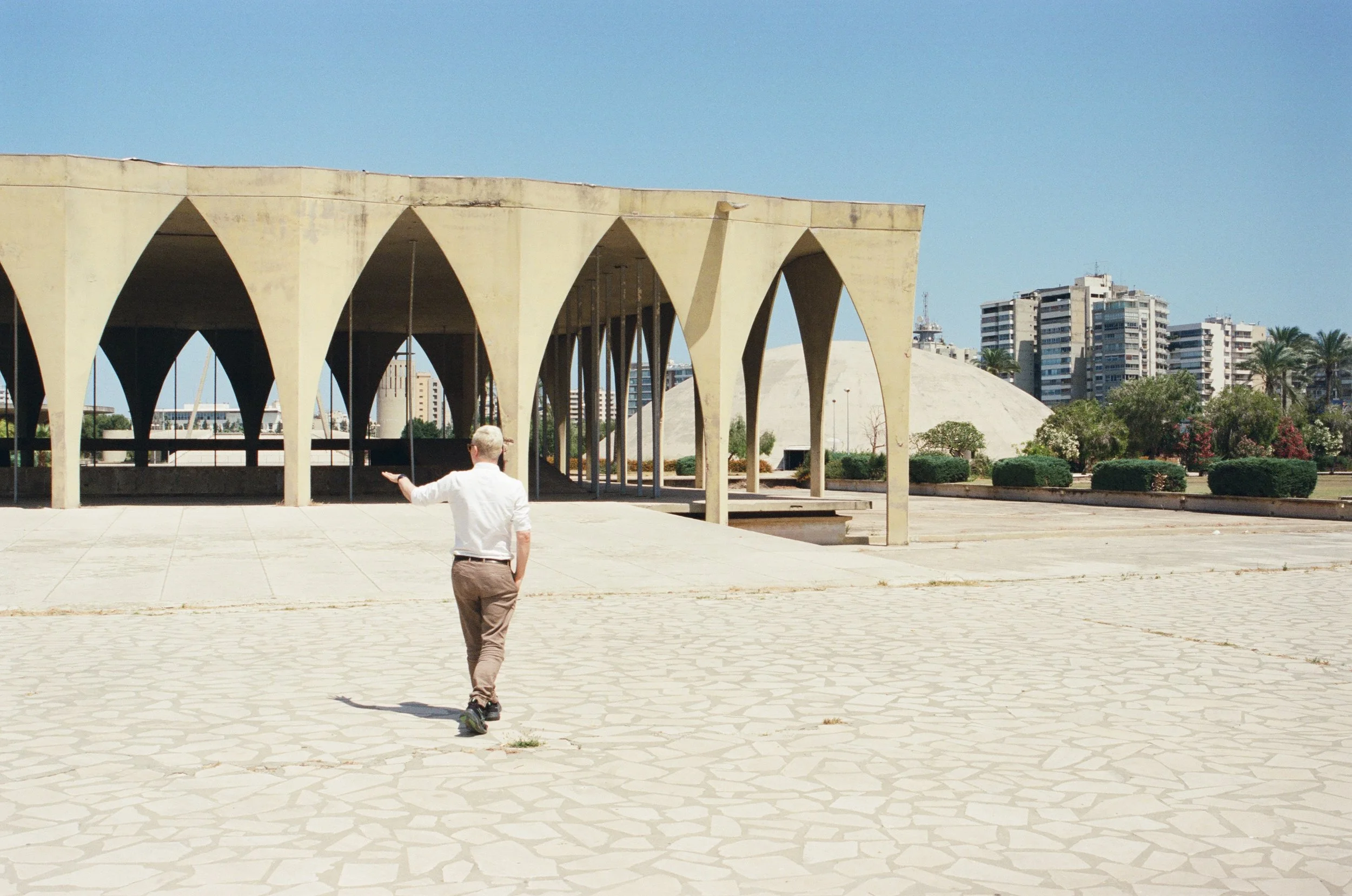
As a woman artist in a war torn country, Choucair’s recognition was too late to bloom. She dreamed of having public sculptures in all the capitals of the Arab World.
Today her work features in the collections of the Tate Modern in London, the Metropolitan Museum of Art in New York, The Mathaf Museum of Arab Modern and Contemporary Art in Qatar, the Sharjah Art Foundation in the UAE, and the Sursock Museum in Beirut among others. She has two public artworks in downtown Beirut, one at the American University of Beirut and one at Mathaf in Doha.
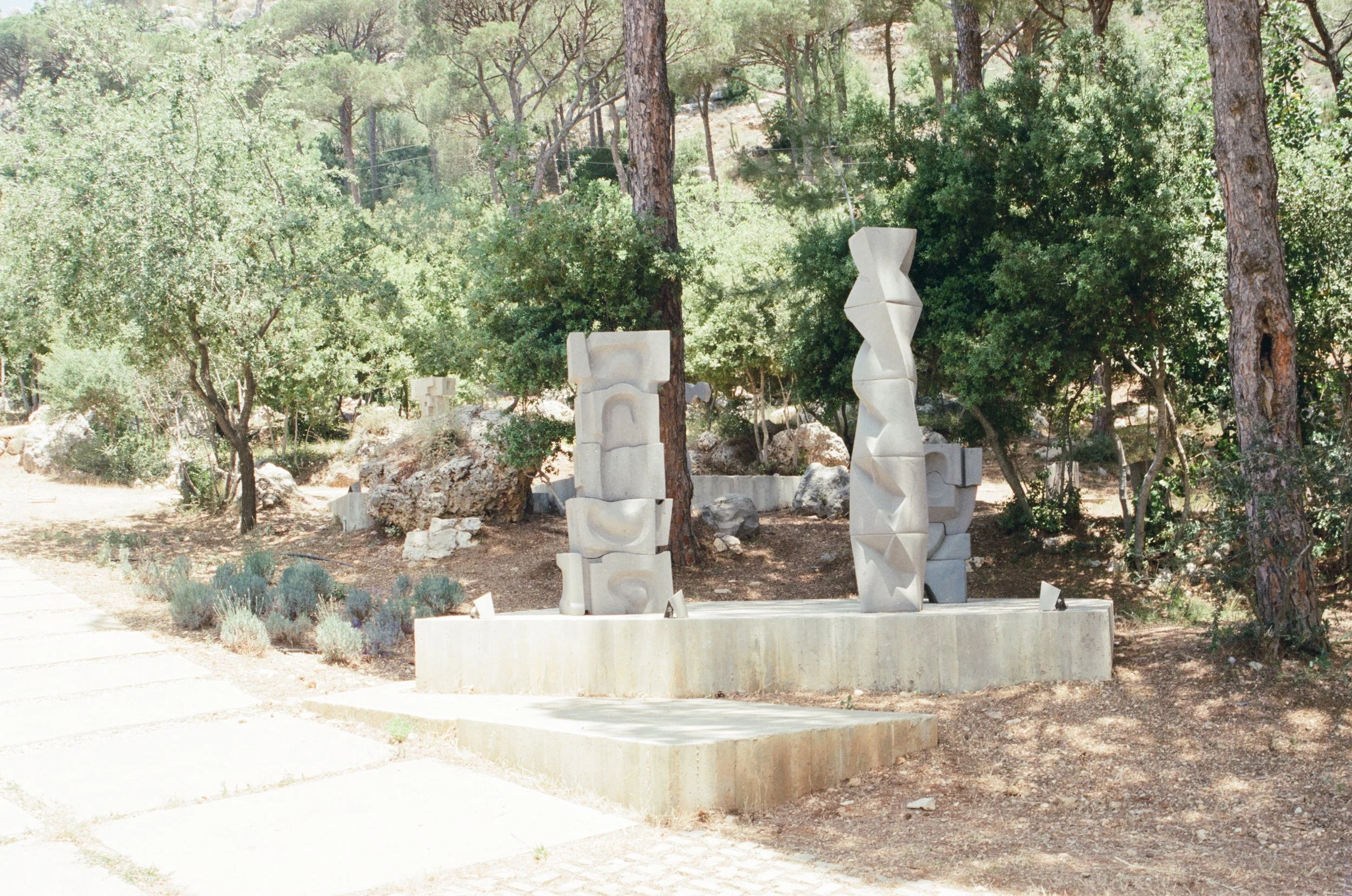
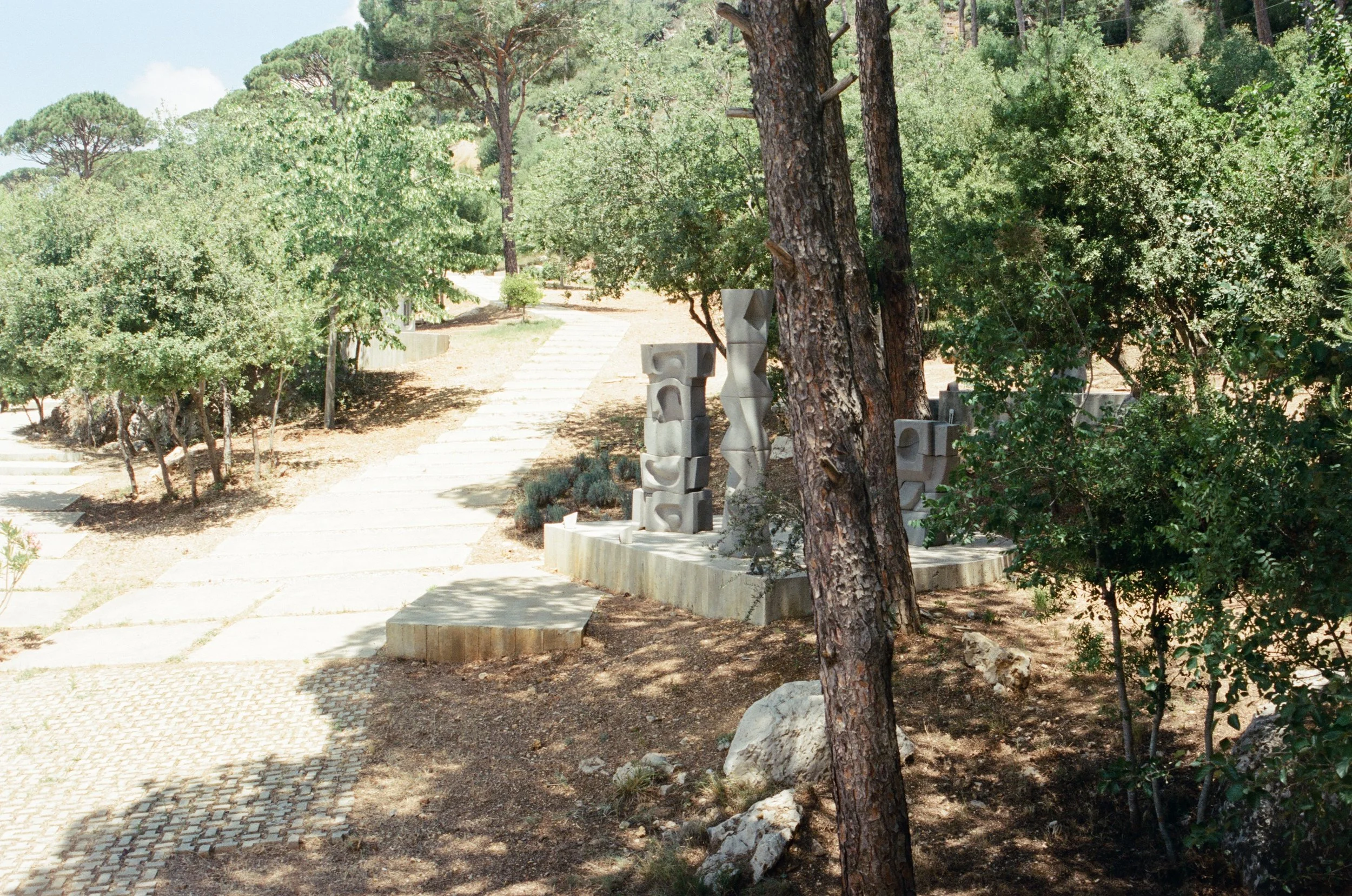
In 2013, the Tate Modern held the first international retrospective of Choucair’s work. Choucair will be remembered as a pioneering abstract artist, a “force of nature” whose work transcends time.





handcrafted in Paris.
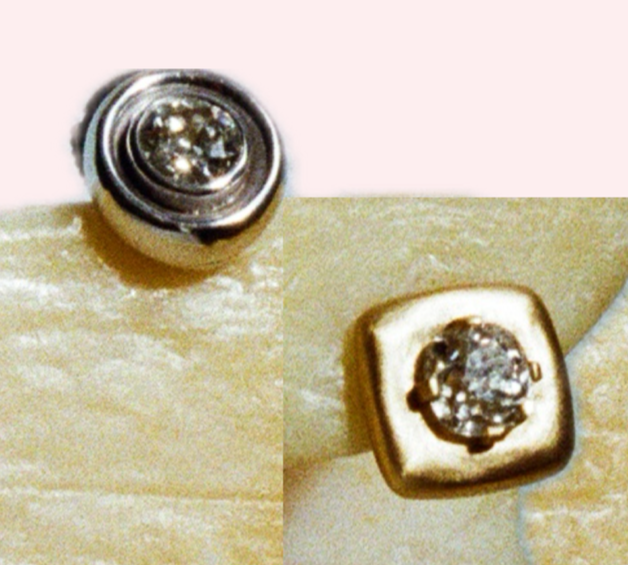
18k rose gold band with 0,05ct navette cut diamond
-
fait à la main à Paris.
anneau or rose 750 millièmes avec diamant navette 0,05ct